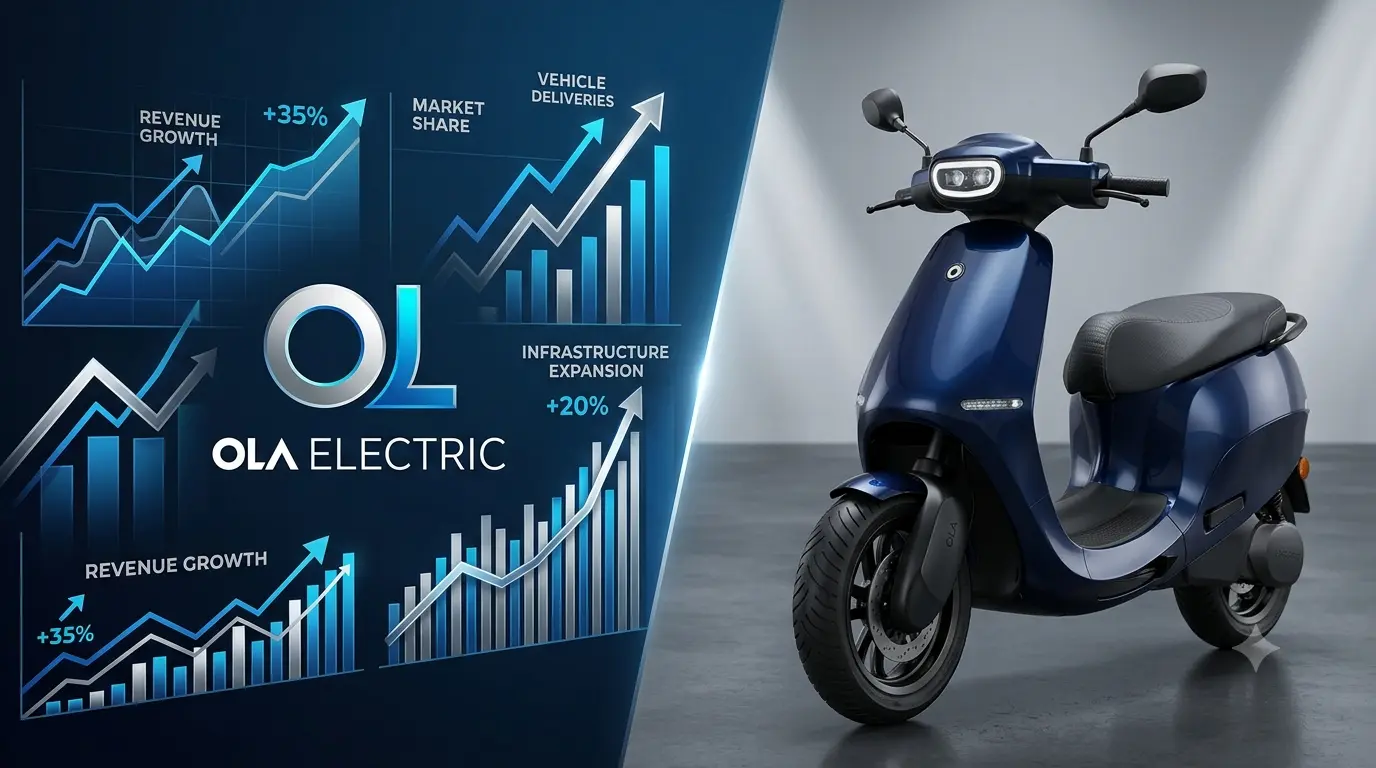
In a crucial corporate move for India’s electric two-wheeler sector, Ola Electric promoter and CEO Bhavish Aggarwal has pledged a 4.32% stake in the company. According to official stock exchange filings published on October 5, 2026, the equity pledge was created exclusively to finance Aggarwal’s personal participation in the company’s upcoming ₹1,000 crore rights issue.
The announcement comes at a pivotal junction for the Bengaluru-based EV manufacturer. As competition intensifies across urban and semi-urban markets, this capital injection signals founder-led conviction while bolstering the company’s financial reserves.
For Indian electric vehicle buyers and industry observers, the move highlights how high-stakes capital allocation is becoming essential to support manufacturing scale, battery cell development, and network expansions in a rapidly maturing EV landscape.


What Happened
Ola Electric’s board approved the ₹1,000 crore rights issue of partly paid-up equity shares on September 28, 2026. To ensure his promoter holding remains undiluted when new equity shares are issued, Bhavish Aggarwal pledged a portion of his existing holdings.
The company officially clarified that no shares are being sold on the open market, nor do any other encumbrances or encumbrance-related pledges exist on Aggarwal’s equity. Aggarwal will subscribe to the Ola Electric rights issue alongside retail and institutional investors on identical terms and entitlement ratios once the final issue price and record dates are finalized by the board’s Rights Issue Committee.
Key Details
- Pledge Scale: 4.32% promoter equity encumbered solely to fund rights issue subscription.
- Fundraise Quantum: Up to ₹1,000 crore via partly paid-up equity shares.
- Promoter Alignment: Aggarwal and the promoter group maintain roughly one-third of overall equity in the firm, avoiding equity dilution.
- Capital Purpose: Financing internal battery cell manufacturing scaling at the Giga Factory, localized R&D, and expanding third-party dealer partner networks across India.
- Operational Footprint: Complements recent product expansions, including the introductory S1Z series and newly onboarded dealer-operated retail hubs in states like Rajasthan, Uttar Pradesh, and Bihar.
Why It Matters
The capital structure of electric two-wheeler makers in India is shifting from rapid market expansion toward sustained capital efficiency.
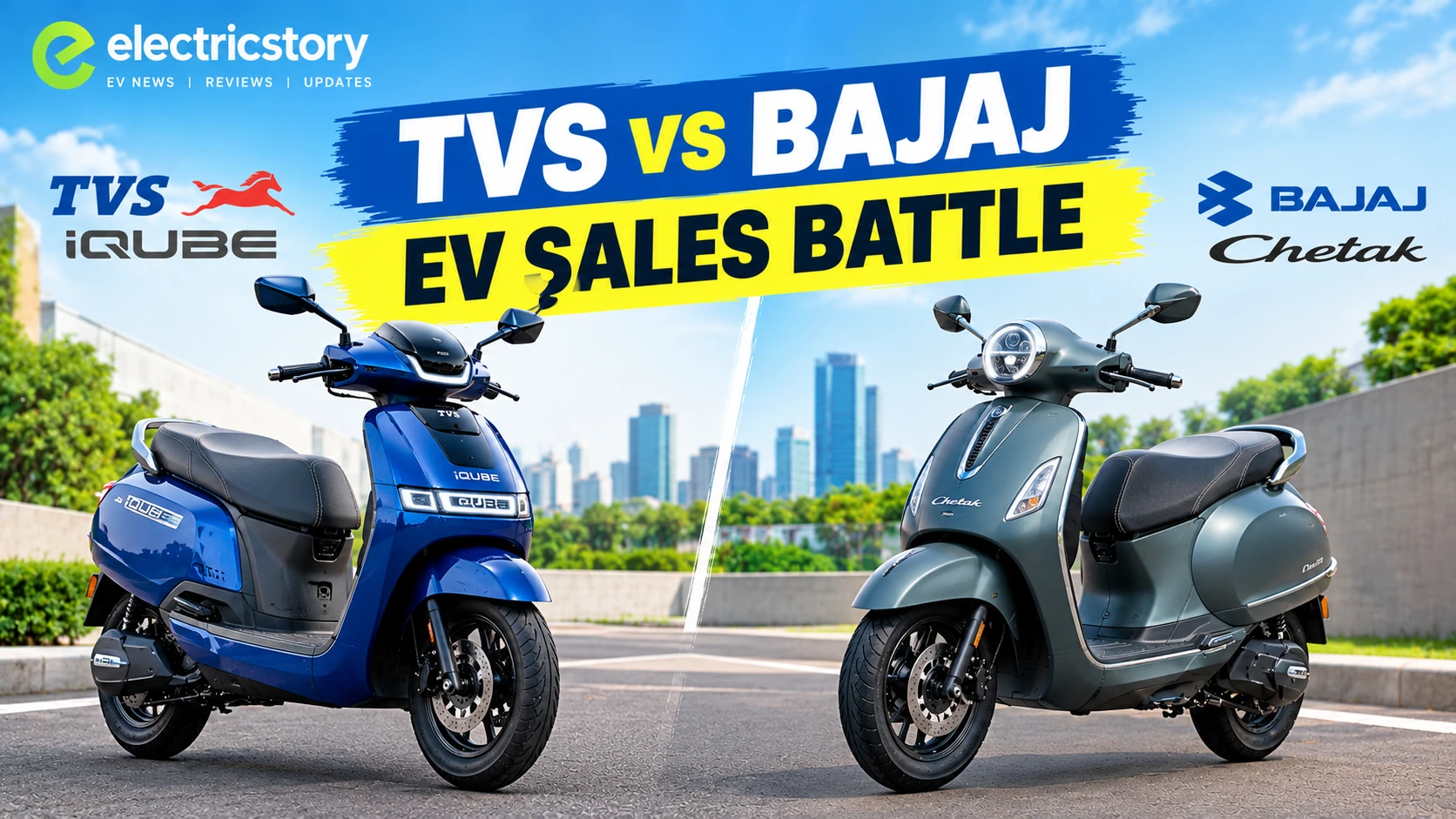
- Intense OEM Competition: Fresh Vahan registration figures for September 2026 show legacy manufacturers like TVS Motor Company and Bajaj Auto securing commanding leads in monthly deliveries. A strengthened balance sheet allows Ola Electric to fund promotional offers, absorb input costs, and protect product margins.
- Localization & Cell Production: In-house battery production requires heavy upfront capital. Upgrading cell manufacturing yields and expanding local supply chains directly affect vehicle pricing, warranty backing, and long-term reliability for buyers.
- Retail & Service Network Transition: Ola Electric’s strategic expansion into dealer-operated partner stores marks a major departure from its direct-to-consumer model. Additional capital ensures smooth logistics, inventory support, and spare-part availability for regional service networks.
Final Takeaway
Bhavish Aggarwal’s decision to pledge equity to participate in the Ola Electric rights issue reflects direct promoter commitment during a period of market realignments. For prospective electric scooter buyers, capital stability among top OEMs remains a positive indicator for long-term service availability, software updates, and ecosystem expansion.