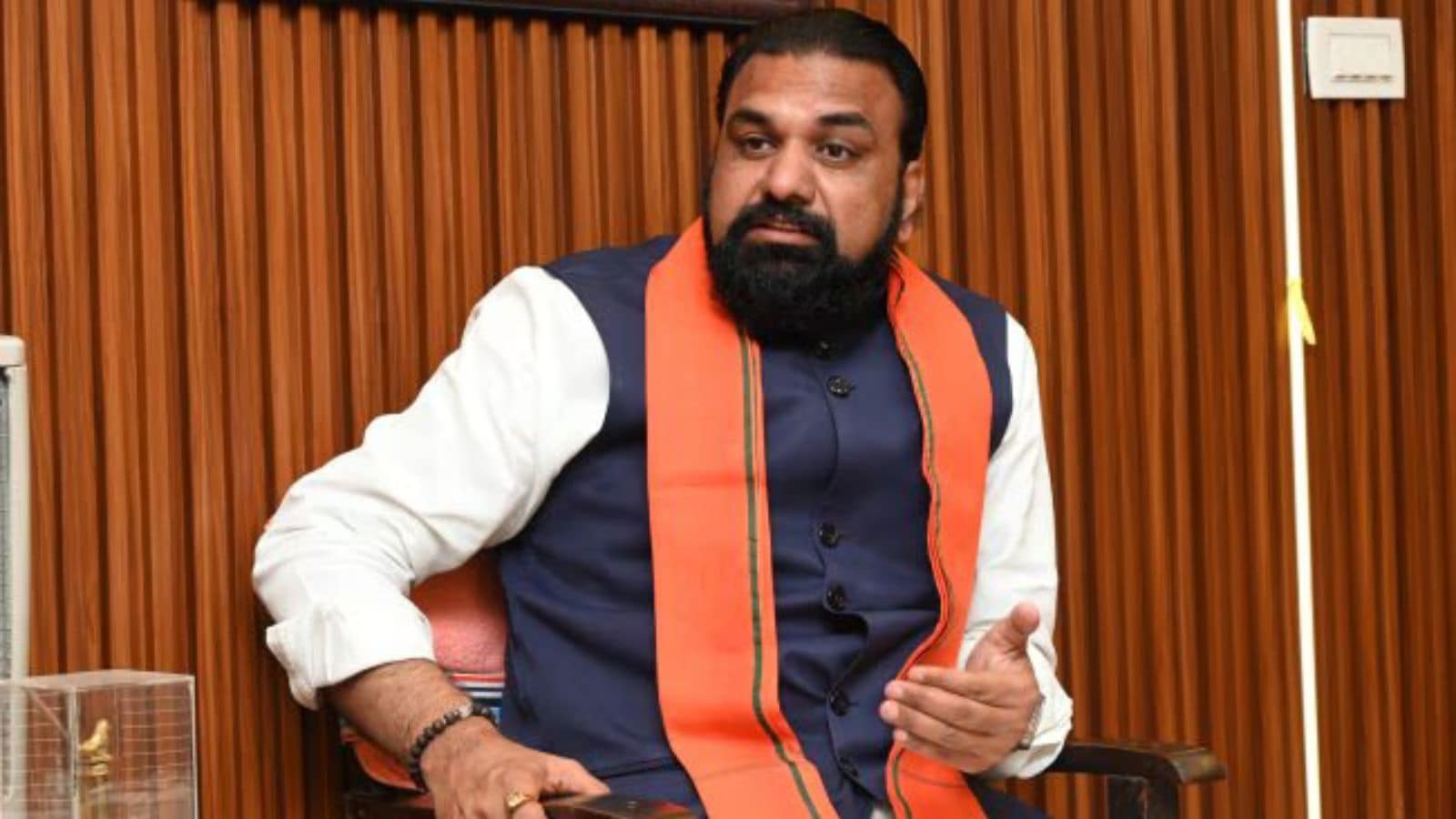
In a notable departure from established norms, Bihar Chief Minister Nitish Kumar has relinquished control of the crucial Home department, handing it over to Deputy Chief Minister Samrat Choudhary. This move places Bihar among a select group of states where the Chief Minister does not directly oversee law and order, marking a significant power shift within the state government.
Traditionally, Chief Ministers in India retain the Home portfolio, granting them direct command over the police and internal security apparatus. However, a handful of states have diverged from this convention, assigning the responsibility to either a Deputy Chief Minister or a senior Cabinet minister. Bihar’s decision to follow suit comes after the BJP emerged as the single-largest party with 89 seats in the recent elections.
The allocation of the Home department to Samrat Choudhary signifies a major shift in Bihar’s political landscape, particularly as it marks the first time the BJP has held the portfolio in the state. This move has sparked considerable discussion about the evolving dynamics of governance and power-sharing arrangements within coalition governments.



Bihar is not alone in this practice. Gujarat, Karnataka, Andhra Pradesh, Chhattisgarh, Delhi, Puducherry and several North Eastern states have also adopted alternative arrangements for managing the Home department. Each state’s decision is often influenced by unique political considerations and the need to balance power within the government.
In Gujarat, where the BJP has maintained a stronghold since 1998, Chief Ministers have historically retained the Home portfolio. However, a recent Cabinet reshuffle saw Chief Minister Bhupendra Patel pass the responsibility to Deputy Chief Minister Harsh Sanghavi. Sources suggest that Patel sought to alleviate his workload, prompting the transfer, particularly given Gujarat’s sensitive international borders. The move is considered a rare instance of a BJP Chief Minister ceding the Home portfolio to a cabinet colleague.
In Karnataka, governed by the Congress party, the Home department (excluding Intelligence) is entrusted to Minister G Parameshwara, a prominent Dalit leader and former state Congress president. Sources indicate that the decision to assign the ministry to Parameshwara was intended to reflect his stature within the party, when the government was formed in 2023. Parameshwara previously held the Home Ministry from 2015 to 2017.
Andhra Pradesh, under the leadership of Chief Minister Chandrababu Naidu of the Telugu Desam Party (TDP), in alliance with the BJP and Pawan Kalyan’s JanaSena Party (JSP), has assigned the Home department to Anitha Vangalapudi, an MLA from Payakaraopet, while retaining direct control over law and order.
Chhattisgarh, a state grappling with Naxalite insurgency, has placed the Home department under the purview of Deputy Chief Minister Vijay Sharma, rather than Chief Minister Vishnu Deo Sai. The BJP regained power in Chhattisgarh in 2023.
In Delhi, where the BJP returned to power after 27 years, Chief Minister Rekha Gupta assigned the Home department to Minister Ashish Sood, the Janakpuri MLA. Sood also oversees several other key departments, including Power, Urban Development, Education, Higher Education, and Training & Technical Education.
Puducherry sees Minister A Namassivayam holding the Home portfolio.
The North Eastern states often adopt a more decentralized approach, with Home-related functions distributed among multiple ministers. In Arunachal Pradesh, Minister Mama Natung oversees Home and Inter-State Border Affairs, while Chief Minister Pema Khandu does not hold the Home portfolio.
Assam has bifurcated the Home department between Chief Minister Himanta Biswa Sarma and Minister Rupesh Gowala, who manages Prisons, Home Guards, Civil Defence, and related subjects.
Meghalaya further divides the Home portfolio, with Chief Minister Conrad Sangma holding Home (Political), Deputy Chief Minister Prestone Tynsong overseeing Home (Police), Minister Brening A Sangma responsible for Home (Civil Defence and Home Guards), and Minister Wailadmiki Shylla managing Home (Passport).
In Mizoram, Minister Pu K Sapdanga holds the Home department, while in Nagaland, Deputy Chief Minister Y Patton manages Home and Border Affairs.
The trend of Chief Ministers delegating the Home portfolio reflects a broader shift in governance strategies and power dynamics within states. While the traditional model of Chief Ministers retaining direct control over law and order remains prevalent, the increasing number of exceptions suggests a willingness to experiment with alternative arrangements to ensure effective governance and political stability.